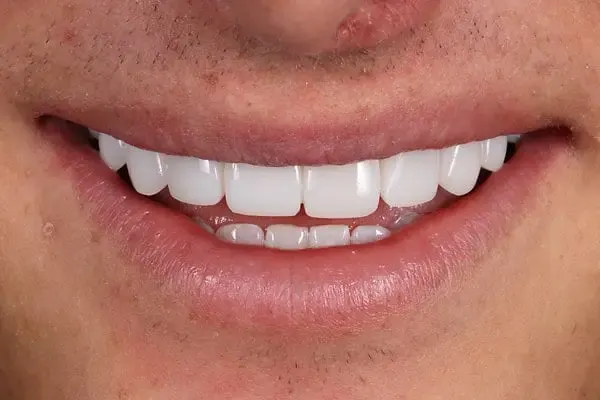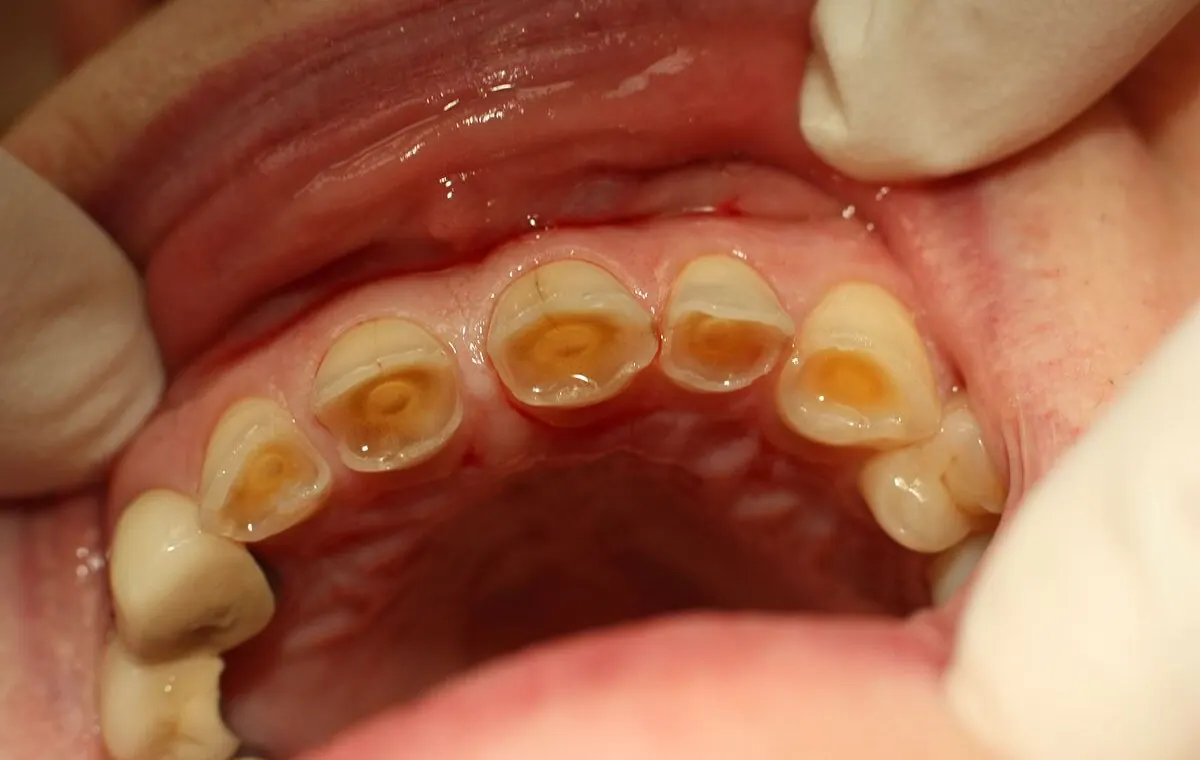

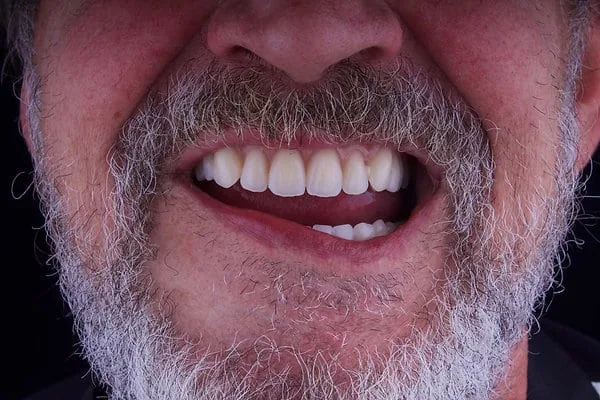
A flexible denture is one possible type of removable partial denture, not automatically the best denture for everyone. If you are replacing one or several teeth, the material is only part of the decision. How the denture is supported, how it will be cleaned and whether it can be altered later matter too.
What is a flexible partial denture?
A partial denture fills a gap while some natural teeth remain. Conventional partial dentures commonly use an acrylic base or a metal framework with replacement teeth. Flexible designs use a bendable resin, often nylon-based, for the base and retaining parts. They can avoid visible metal clasps, but their flexibility changes how they rest against the gums and teeth.
Leeds Teaching Hospitals’ patient guide explains the basics of acrylic and metal partial dentures. A UK-published Dental Update review of flexible denture materials discusses both their potential advantages and the design concerns that need clinical consideration.
Flexible, acrylic or metal: what changes for the patient?
A flexible design may appeal if the appearance of a metal clasp is a concern. Acrylic partial dentures and metal-framework partial dentures have different strengths and design possibilities; for example, Leeds Teaching Hospitals notes that metal-based dentures can be thinner and stronger than acrylic ones, but are not suitable in every case. No material is universally more comfortable or secure. The fit, remaining teeth, gums and position of the gap all influence the result.
Flexibility is not a guarantee of a better fit. The Dental Update review raises questions about how a flexible base distributes chewing forces and how some designs contact the gum margins. Ask your dentist to explain why a particular design would support your mouth, rather than choosing by material name alone.
What about changes, repairs and long-term care?
Mouths change over time, especially after a tooth has been removed. A denture that becomes loose or sore may need assessment and possibly adjustment, relining or replacement. The ease of making those changes varies with the material and design; do not assume a flexible denture can be altered in the same way as an acrylic one.
All removable dentures need regular cleaning, as do any remaining natural teeth. Bristol Dental School’s denture-care guidance recommends careful cleaning and checking which products suit the denture material. Ask for instructions specific to your appliance. Do not bend a clasp back yourself or attempt a home repair: Leeds Teaching Hospitals advises having soreness and pressure spots assessed professionally.
Questions worth asking at an assessment
- Is a partial denture the right way to replace this gap, and what are the alternatives?
- Which design would support the denture without putting avoidable pressure on my teeth or gums?
- Will any clasps be visible, and how might the denture feel when eating or speaking?
- If my mouth changes, can this design be adjusted, relined or repaired?
- How should I clean and store this particular material?
Vitruvian’s dentures page explains our assessment and denture-planning approach. You can also explore other missing-tooth options. This guide does not confirm that every denture material or branded product is offered at every practice; the team can discuss suitable available options after examining your mouth.